
Fontein Cave Aruba: Drawings, Access and What to Know
 By Guljar HosenFacts checked 29 Sep 2026
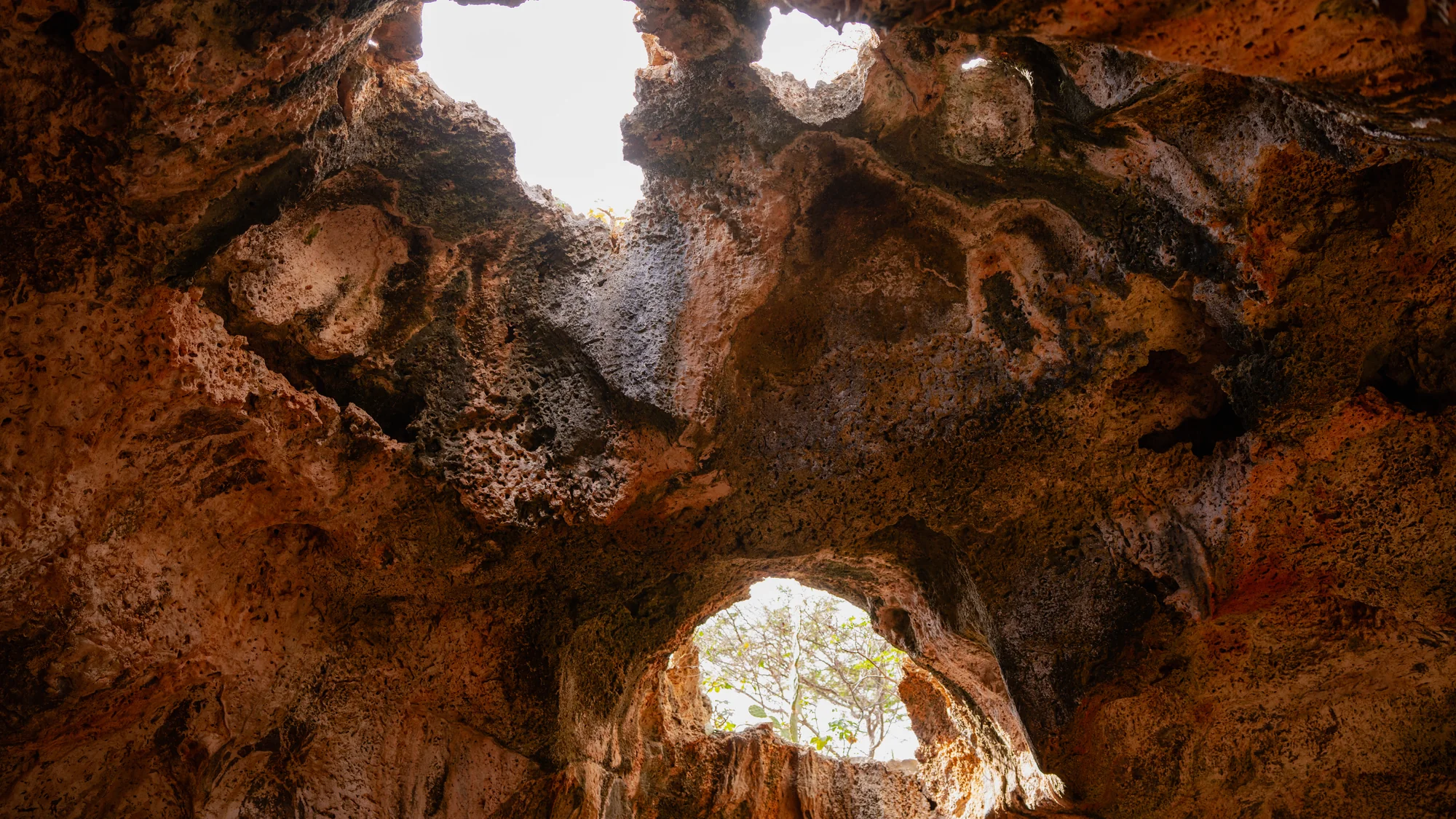
Quick answer: Fontein Cave is a small cave inside Arikok National Park, known for ancient drawings that cover its walls from floor to ceiling. Entry is included in the $22 park pass (children under 17 free); confirm at the visitor center that it is open on the day you go.
Fontein Cave sits inside Arikok National Park, and it is the cave to pick if you want to see Aruba’s ancient rock art up close. Small winding paths lead down through hot, dark, humid passages lined floor to ceiling with drawings left by Aruba’s first people thousands of years ago. This guide covers what you will see, what it costs, what to bring, who it suits, and how a self drive Jeep day fits around it.
KEY TAKEAWAYS
- Fontein Cave is inside Arikok National Park; you need the park pass to enter. (acf.aw/experiences, checked 29 Sep 2026)
- The park pass is $22 per adult, children under 17 free. (acf.aw/experiences, checked 29 Sep 2026)
- The cave spans about 95 meters (almost 312 feet) of small, winding limestone paths. (aruba.com Fontein Cave page, checked 29 Sep 2026)
- The walls carry ancient drawings and etchings made by Aruba’s first people, reaching from floor to ceiling. (aruba.com)
- Always confirm at the park visitor center which caves are open the day you go; this page does not claim Fontein is open on any given day.
1. Where Fontein Cave is and what it costs
Fontein Cave sits inside Arikok National Park. aruba.com gives its location as Plus Code F3VV+2C, Santa Cruz, Aruba. (aruba.com, checked 29 Sep 2026) You need the park’s conservation pass to enter: $22 per person for adults, with children under 17 free. (acf.aw/experiences, checked 29 Sep 2026) For the park’s hours and the rest of what’s inside it, see our Arikok National Park guide.
2. What you will see inside
The way down. Small, winding paths lead down along the limestone walls. It’s hot, dark and humid, so take it slow. (aruba.com)
The colours. Algae turns the walls from yellow to green, like gradient wallpaper, and the cave is full of stalagmites and stalactites. (aruba.com)
The drawings. Ancient drawings and etchings cover the walls, reaching from floor to ceiling. Aruba’s first people left them here thousands of years ago. (aruba.com)
The residents. Bats, insects and the occasional crab live in the dark, so watch your step. (aruba.com)
Ask a ranger. Arikok’s park rangers are often keen to share extra information about the park’s natural wonders, including Fontein Cave. The drawings are the reason to ask. (aruba.com)
3. The history behind the drawings
The cave’s story goes back thousands of years. One account traces it to Amerindian nomads who settled on Aruba about 4,000 years ago and decorated the caves with drawings and etchings. Another points to the Arawak, living on Aruba around 1000 AD, with some accounts saying the caves were lived in or hidden in, and others saying they were used for worship or ritual. Nobody can say for certain which is right. (aruba.com, checked 29 Sep 2026)
4. Who it suits
This is an advisory note, not a park rule: the passages are narrow, dark and humid, and in places you need to duck or crouch to move through them. It’s a good fit for curious explorers and anyone drawn to rock art and history. Think twice if you or someone with you has claustrophobia, or if you’re bringing very young children who might find the dark, tight spaces unsettling. If that describes your group, our Aruba Caves Guide covers Quadirikiri too, which is larger and brighter.
5. What to wear and bring
- Airy clothes. aruba.com suggests airy attire; the cave is hot and humid.
- Comfortable shoes. The paths are narrow and uneven.
- Water. Bring some; it’s hot inside.
- Respect the residents. Leave the bats alone and keep your hands off the drawings and walls.
6. Fontein vs Quadirikiri
Fontein and Quadirikiri are Aruba’s two best known caves, and both sit inside Arikok National Park. Quadirikiri is the bigger, brighter one: three big domes lit by sunbeams through the ceiling. Fontein is the smaller, older one: tight winding passages and the island’s ancient rock art. If you only have time for one cave, pick by what you want to see; if you have a full morning, our Aruba Caves Guide covers both.
7. Combine it with
This is a suggested plan, not an official park route. Fontein Cave pairs naturally with the rest of Arikok National Park, since you’re already through the gate on the same pass. A half-day plan: start at Fontein Cave in the cooler morning hours, ask at the visitor center what else is nearby, then see the park’s other highlights on the way out. Our Arikok National Park guide covers the full park (hours, the pass, and what else is inside), and the Aruba Caves Guide adds Quadirikiri Cave if you want both caves in one trip.
8. Getting there by Jeep
The park visitor center is the place to confirm which caves are open and how to reach each one on the day you visit; no official source states a fixed daily schedule per cave. (acf.aw; aruba.com, checked 29 Sep 2026) A self drive Jeep gives you the flexibility to see Fontein Cave alongside the rest of the park, at your own pace.
Conclusion
Fontein Cave is Aruba’s cave for rock art and quiet, winding passages: hot, dark, and thousands of years old. Bring water, wear airy clothes, and ask a ranger about the drawings when you get there.
FAQ
Where is Fontein Cave and how do you get there?
Fontein Cave is inside Arikok National Park, at Plus Code F3VV+2C, Santa Cruz, Aruba. You enter through the park with the conservation pass, then ask at the visitor center how to reach the cave from where you are.
How much does it cost to visit Fontein Cave?
The park’s conservation day pass is $22 per adult, and children under 17 are free. There is no separate fee for the cave itself.
What can you see inside Fontein Cave?
Ancient drawings and etchings that reach from floor to ceiling, stalagmites and stalactites, and algae that turns the walls from yellow to green. Bats, insects and the occasional crab live in the dark, and small winding paths lead down the limestone walls. The cave spans about 95 meters and is hot, dark and humid.
Is Fontein Cave open every day?
No official source publishes a fixed daily open/closed schedule per cave. Confirm with Arikok’s visitor center on the day you plan to go.
How is Fontein Cave different from Quadirikiri Cave?
Fontein has small winding paths and ancient drawings from floor to ceiling; Quadirikiri has three big sunlit domes. Pick Fontein for the rock art, Quadirikiri for the light.
Can you drive to Fontein Cave?
Fontein Cave is inside Arikok National Park, reached with the park pass. Ask at the park’s visitor center for the route to the cave on the day you visit; no official source publishes a fixed driving route.
Sources (checked 29 Sep 2026)
- aruba.com, Fontein Cave page (aruba.com/us/explore/fontein-cave), read raw 29 Sep 2026: location, size, description, history, what to bring
- Aruba Conservation Foundation, acf.aw/experiences (redirects to www.acf.aw/experiences), read raw 29 Sep 2026: park pass, ATV/UTV/motorbike ban. Confirmed no cave-specific page exists on ACF’s site
- Aventurova FAQ and Terms (booking_facts_2026-09-22.md): free road map, unlimited mileage