
Aruba Caves Guide: Quadirikiri and Fontein Caves in Arikok National Park
 By Guljar HosenFacts checked 20 Sep 2026
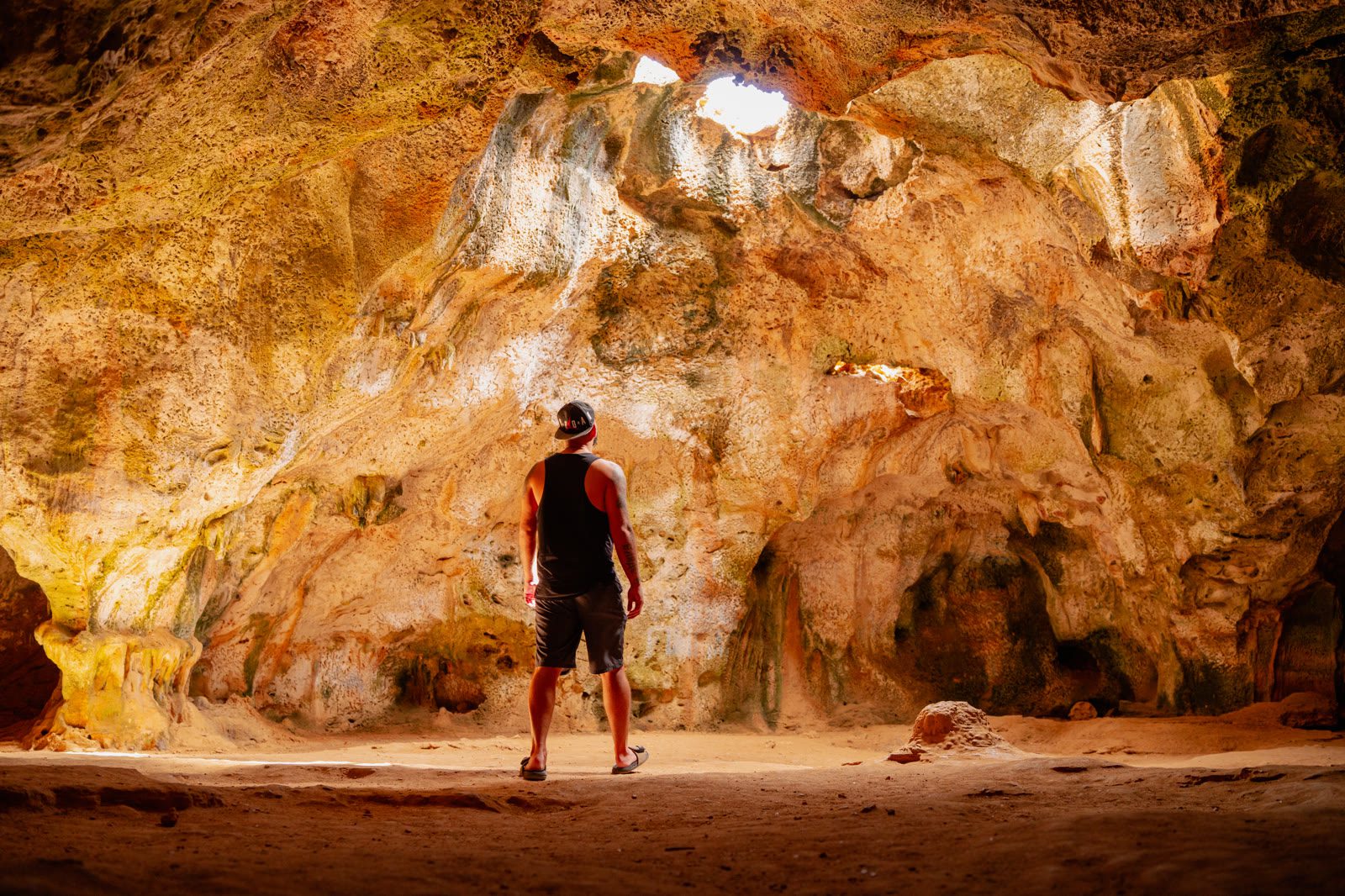
Quadirikiri and Fontein are Aruba’s best known caves, and both sit inside Arikok National Park. One is about light: beams of sunshine drop through holes in the ceiling into big domed chambers. The other is about age: hot, dark, winding passages with drawings left by Aruba’s first people. This guide walks through each cave in the order you meet it, says who each one suits, and covers the park pass, what to wear and how to fit both into one morning.
KEY TAKEAWAYS
- Both caves are inside Arikok National Park, and visitors need a ticket to enter the park. (aruba.com, checked 20 Sep 2026)
- The park pass is $22 per person for adults, and children under 17 are free. (Aruba Conservation Foundation, acf.aw/experiences, checked 20 Sep 2026)
- Quadirikiri has three big domes joined by tunnels, sunshine through holes in the ceiling, and bats. (aruba.com)
- Fontein has small winding paths, heat, humidity, and ancient drawings that reach from floor to ceiling. (aruba.com)
- Park rangers are often keen to share extra information about both caves, so ask at the visitor center which caves are open on the day you go. (aruba.com)
1. Before you go: the park pass
You need the Arikok National Park pass to reach either cave: $22 per person for adults, with children under 17 free. (acf.aw/experiences, checked 20 Sep 2026)
Full opening hours and where to buy the pass are in our Arikok National Park guide.
2. Quadirikiri Cave
Quadirikiri is the cave most people mean when they say Aruba’s caves, and Aruba Today calls it the most popular one with locals and tourists. It is easy to walk through, which makes it the friendlier first cave. (Aruba Today, “Visit the island’s popular cave sites!”, checked 20 Sep 2026)
Here is what you meet, in order:
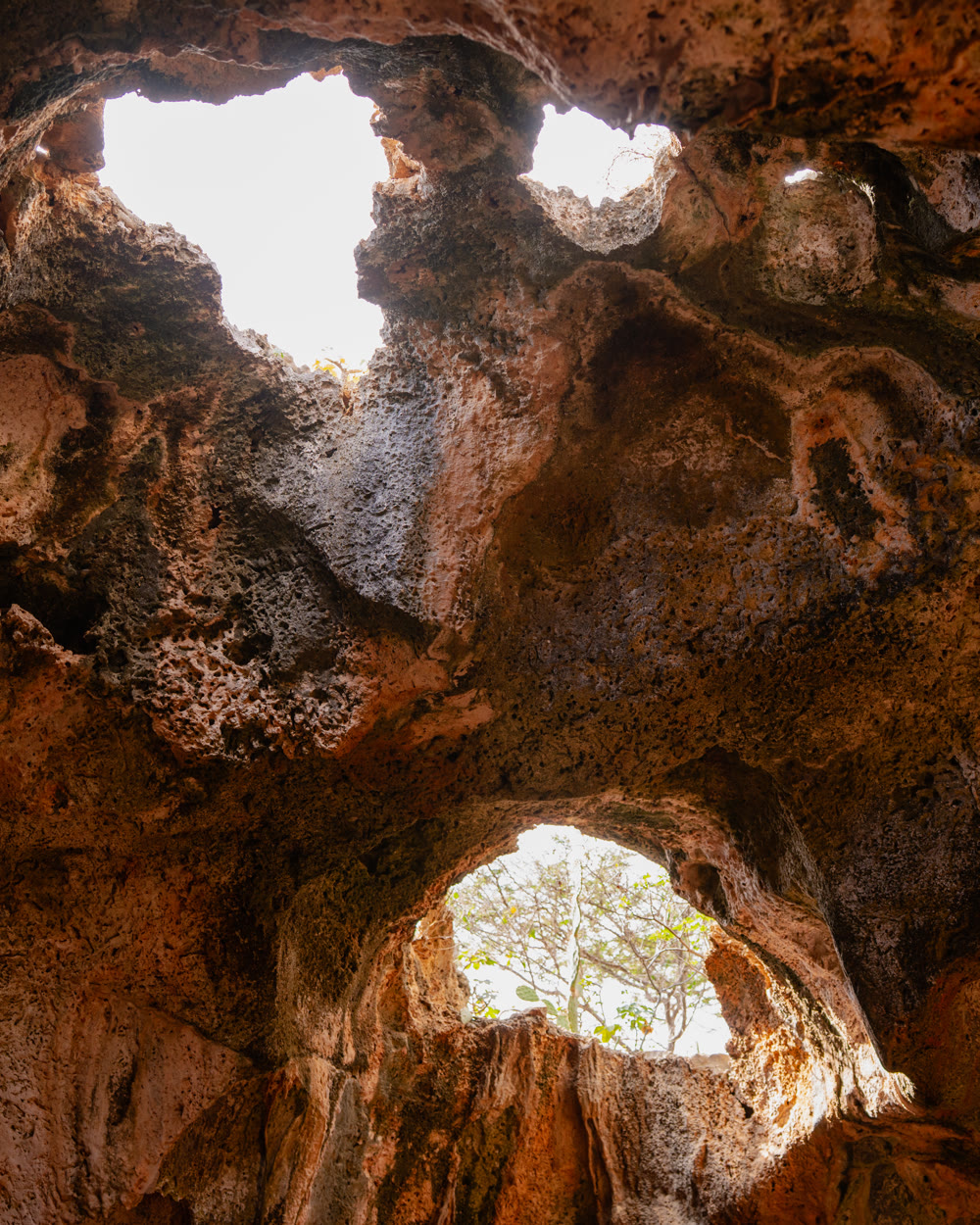
The entrance. You step out of the desert light into the limestone. The cave stretches about 490 feet, so give yourself time to go all the way through instead of turning back at the first chamber. (aruba.com Quadirikiri Cave page, checked 20 Sep 2026)
The domes. Inside are three big domes joined by tunnels. The chambers are large enough that it is easy to lose yourself in them. (aruba.com)
The light. Beams of sunshine come through holes in the ceiling and light the domes from above. This is the sight the cave is known for. (aruba.com)
The walls. Look at the limestone and you will see stalactites and stalagmites. If you look closely, you may spot Amerindian petroglyphs, figures said to have been drawn by Aruba’s first people. (aruba.com)
The residents. It is dark, damp and very hot in here, which is why bats and insects like it. You will likely spot a bat or two. (aruba.com)
The story people tell under the holes in the ceiling is a folk tale, not history. A chief’s daughter was locked in the cave after a forbidden love, her lover was locked away nearby, and the two met in the cave and died there. Their spirits, the story says, rose to heaven through the holes in the ceiling. (aruba.com)
Photo tip: the beams of sunshine are the picture to come for, and Aruba Today says the cave gives great lighting for photos. Frame the light against the dark limestone and ask a ranger before you use a flash. (Aruba Today)
3. Fontein Cave
Fontein is the cave to choose for the drawings. aruba.com gives its address as Plus Code F3VV+2C, Santa Cruz, Aruba, which you can paste into a map app to see where it sits in the park. (aruba.com Fontein Cave page, checked 20 Sep 2026)
What you meet, in order:
The way down. Small, winding paths lead down along the limestone walls. It is hot, dark and humid, so slow down. The cave spans about 95 meters, almost 312 feet. (aruba.com)
The colours. Algae turn the walls from yellow to green, like gradient wallpaper, and the cave is full of stalagmites and stalactites. (aruba.com)
The drawings. Ancient drawings and etchings cover the walls, reaching from floor to ceiling. Aruba’s first people left them here thousands of years ago. (aruba.com)
The residents. Bats, insects and the occasional crab live in the dark, so watch where you step. (aruba.com)
Ask a ranger. aruba.com says Arikok’s park rangers are often keen to share extra information about the park’s natural wonders, including both caves. The drawings are the reason to ask. (aruba.com)
Photo tip: the drawings and the yellow to green algae walls are the frames to look for. Ask the ranger before you use a flash or a light near the walls.
4. Which cave suits you
| Cave | What it feels like | Best for | Think twice if |
|---|---|---|---|
| Quadirikiri | Big domed chambers joined by tunnels, sunlight from above, bats | A first cave, photographers, anyone who wants the light show | You dislike bats or hot, damp air |
| Fontein | Small winding paths, hot, dark and humid, drawings floor to ceiling | Rock art and history fans, curious explorers | You dislike tight, dark spaces or heat |
(aruba.com; Aruba Today, checked 20 Sep 2026)
If anyone in your group is nervous about enclosed spaces, start at Quadirikiri, where the chambers are large and daylight comes in through the ceiling, and let that person decide at Fontein’s entrance whether the small winding paths are for them. With young children, hold their hands on Fontein’s paths.
5. What to wear and cave etiquette
- Airy clothes. aruba.com suggests airy attire for Fontein, and the caves are hot and humid. (aruba.com)
- Comfortable shoes. Aruba Today says the paths may be rough and bumpy. (Aruba Today)
- Water. The caves are hot, so bring some.
- Leave the bats alone. Take care not to disturb the bats’ habitat. (Aruba Today)
- Visit with respect (aruba.com) and keep your hands off the drawings and walls.
6. Planning your day
Both caves are inside the park, so plan them together in one morning. Buy the pass at an entrance, then ask at the visitor center which caves are open that day and how to reach each one from there. Rangers are often glad to share extra information. (aruba.com)
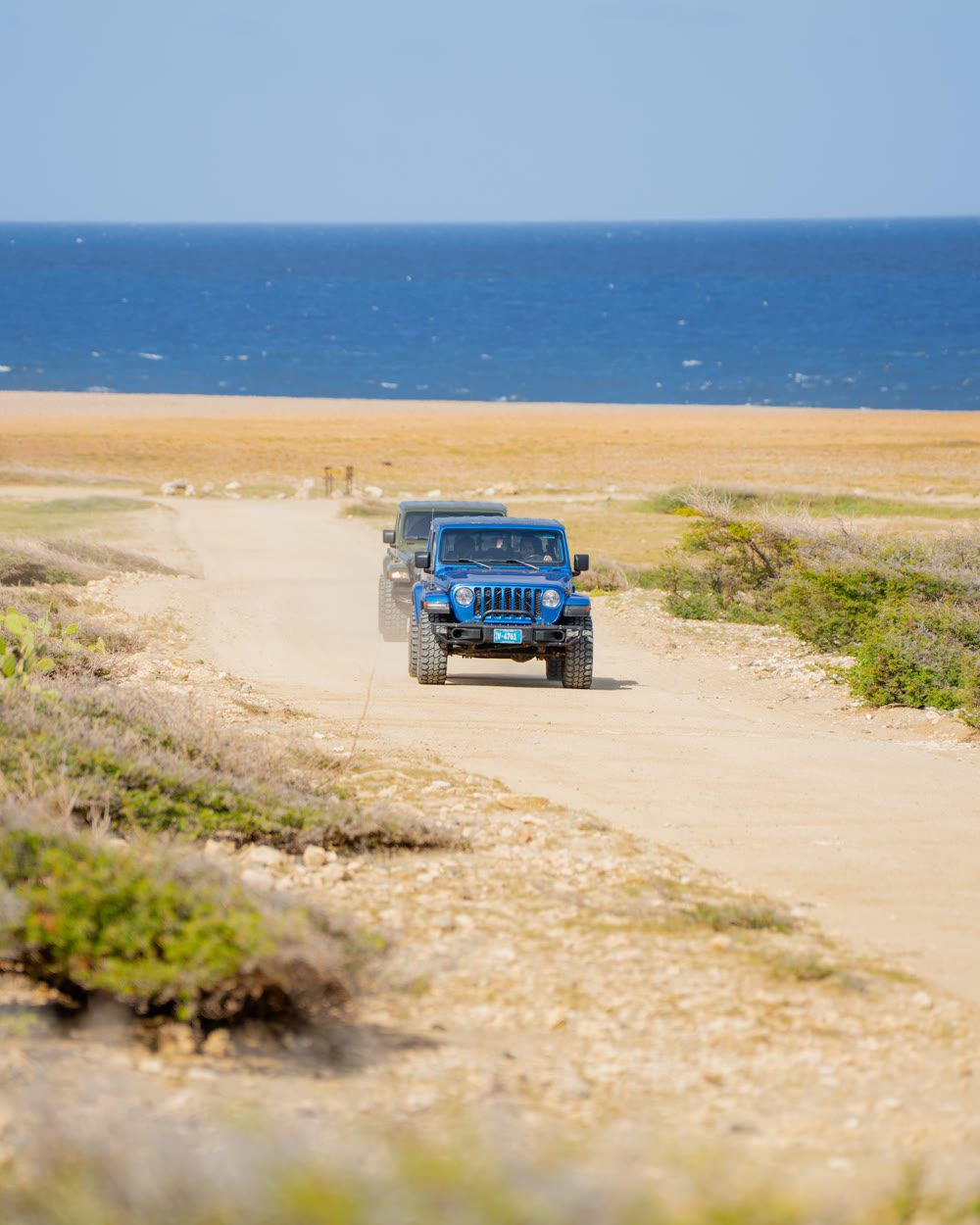
ATVs, UTVs and motorcycles are banned from the park’s protected nature areas, so a UTV tour cannot take you to the caves. (acf.aw/experiences, checked 19 Sep 2026) For a UTV day elsewhere on the island, see UTV rental. For the rest of the park, see the Arikok National Park guide, and for the swimming stop, the Natural Pool guide.
Conclusion
Quadirikiri gives you light, Fontein gives you age, and both fit into one morning inside the park you already pay to enter. Wear light clothes and comfortable shoes, leave the bats alone, and ask a ranger about the drawings.
Take care not to disturb the bats’ habitat. The caves belong to them first. (Aruba Today, checked 20 Sep 2026)
FAQ
Where are Quadirikiri and Fontein caves and how do you get there?
Both caves are inside Arikok National Park, so you enter through the park and pay the park pass. aruba.com gives Fontein’s location as Plus Code F3VV+2C, Santa Cruz, Aruba. Ask at the visitor center how to reach each cave from where you are. (aruba.com, checked 20 Sep 2026)
How much does it cost to visit the caves?
The park’s conservation day pass is $22 per person for adults, and children under 17 are free. aruba.com says visitors need a ticket to enter Arikok National Park. (acf.aw/experiences; aruba.com, checked 20 Sep 2026)
What can you see in Fontein Cave?
Ancient drawings and etchings that reach from floor to ceiling, stalagmites and stalactites, and algae that turn the walls from yellow to green. Bats, insects and the occasional crab live in the dark, and small winding paths lead down the limestone walls. The cave spans about 95 meters and is hot, dark and humid. (aruba.com, checked 20 Sep 2026)
Is Quadirikiri Cave good for photos?
Yes. The beams of sunshine that come through the holes in the ceiling are the sight the cave is known for, and Aruba Today says the cave gives great lighting for photos. Ask a ranger before you use a flash or a flashlight, and do not disturb the bats. (aruba.com; Aruba Today, checked 20 Sep 2026)
Which is better, Quadirikiri or Fontein?
They are different. Quadirikiri has big domes, beams of sunshine through the ceiling and bats. Fontein has small winding paths and ancient drawings that reach from floor to ceiling. If you can only pick one, pick by what you want to see. (aruba.com, checked 20 Sep 2026)
Are the caves suitable for kids, and what should you wear?
Children under 17 enter the park free. The caves are dark, hot and humid, and Fontein’s paths are small and winding, so hold younger children’s hands there. Wear airy clothes and comfortable shoes, because the paths may be rough and bumpy. (acf.aw/experiences; aruba.com; Aruba Today, checked 20 Sep 2026)
Sources (checked 19 and 20 Sep 2026 unless noted)
- Aruba Conservation Foundation, acf.aw/experiences (checked 19 and 20 Sep 2026): park day pass $22 for adults, children under 17 free, ATVs, UTVs and motorcycles prohibited in protected nature areas
- aruba.com, Quadirikiri Cave page (checked 20 Sep 2026): inside Arikok National Park with a park ticket needed, about 490 feet long, three big domes joined by tunnels, beams of sunshine through holes in the ceiling, stalactites and stalagmites, Amerindian petroglyphs, bats and insects, the folk tale of the chief’s daughter, park rangers often keen to share extra information
- aruba.com, Fontein Cave page (checked 20 Sep 2026): Plus Code F3VV+2C, Santa Cruz, about 95 meters (almost 312 feet), small winding paths, hot, dark and humid, algae turning the walls from yellow to green, stalagmites and stalactites, drawings and etchings from floor to ceiling, bats, insects and the occasional crab, airy attire, visit with respect
- Aruba Today, “Visit the island’s popular cave sites!” (checked 20 Sep 2026): Quadirikiri as the most popular cave with locals and tourists, easy to walk through, great lighting for photos, comfortable shoes because paths may be rough and bumpy, take care not to disturb the bats’ habitat
- Aventurova FAQ, aventurova.com/frequently-asked-questions/ (checked 20 Sep 2026): Wrangler and Gladiator Jeeps may drive to permitted off road destinations in Arikok National Park, 4×4 off road capability, free road map, unlimited mileage